Is Sound Stage an artifact of recording?


Yesterday had the opportunity to hear a fine chamber music concert featuring musicians from the NY Philharmonic in a small modern chapel with a slightly domed wooden roof. We sat about 15-20 feet from the musicians. The all acoustic sound was excellent. The Schubert Trout piano quintet  and Brahms piano quartet in G were the program. Afterwards while de-briefing at dinner with an audiophile friend who went with me and our wives, he made the point that despite the excellent acoustics and premier seating he could not close his eyes and see a "sound stage" during the concert. I had noticed the same thing. The locations of the instruments were diffuse. You could not pinpoint the location of the violin as you might expect you could on a good recording of the same work! We agreed that this was not the first time we had noticed this about live music. So I put the question to learned assembly here on Audiogon. Is sound stage something that is invented or perhaps just an artifact of the recording process to help us get the illusion of real musicians playing in front of us. Responses from those of you who have made recordings will be particularly appreciated.

bruce19

Very interesting topic. Listen to mono jazz and classical recordings on “big” system, e.g., Western Electric 12A/13A or Altec VoT placed properly in a good room with proper amplification and it will sound close to live (very difficult to reproduce live dynamic transients). The body loves it, feels real.

Same recordings (good ones) in stereo on same system will give you spooky imagery, soundstage, and precision of spatial presence.  The brain loves it, feels dream like.

I am fortunate to know how these things work, any perceivable sounds take is simply down to Microphone placement and the type of Microphone employed. The worst recording I have heard was a CD of Beethoven's Moonlight Apassionata played by Ashkenazy. The Microphone positions include an Overhead which is so badly proportioned I had to turn it off and in the end took the item away. One of the best I have heard albeit not placement, but it does show what a Mic is capable of is Carl Orff Carmina Burana (Andre Previn). Unbelievable!!! this was in my research using a Zero Heat Class A. So what I have said may not be provided generally speaking.

@bruce19 

Good points you bring up.  I feel my home system in many ways, trumps live performances and can be more engaging because of the relatively precise imaging produced by the recording technology. 

@allears4u  Yes, the chair is an added plus.  At 6'4,  legroom at most venues can be painfully cramped.

One aspect of live performances that most recordings cannot match however, are micro dynamics.  That is one reason I prefer high efficiency horns for my home system over conventional speakers.

Almost everything I go to (live performers) has multiple mics, and the sound systems vary from lousy to great, and some places: where you sit, makes a huge difference, from truly enjoyable to horrid. Carnegie Hall; The Beacon; Town Hall; Webster Hall; ......

Recordings, studio mic setup, electronics, mastering ... cutting the LP, all vary, which is why some LPs, you say to yourself or a friend ’these guys knew what they were doing’

Acoustic Orchestra, NJPAC, a great hall, we could definitely hear left to right Violins/Horns/Cellos/Bass, and front to back Kettle Drums and other Percussion way back there.
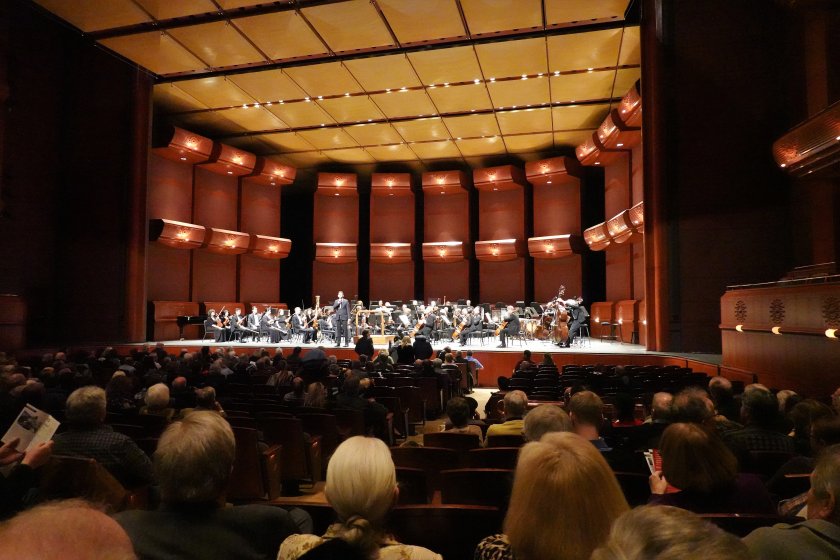
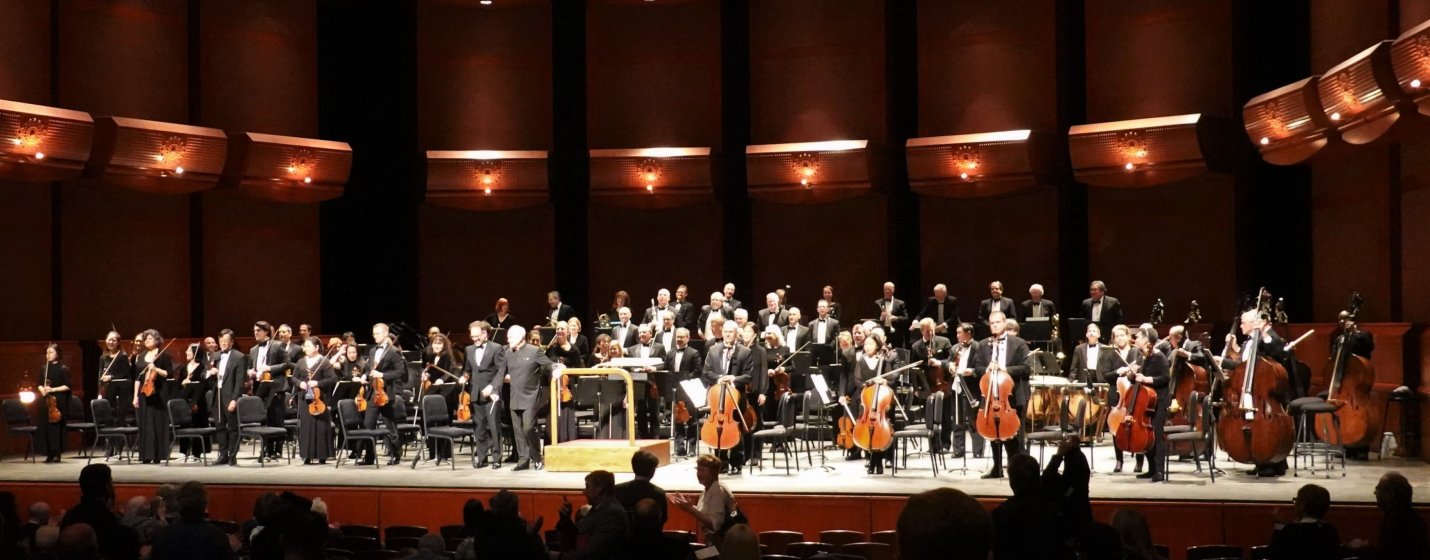
I went to small NJ and NYC  clubs twice a week for over 20 years, open mics, always with multiple mics, the sound and imaging, I knew where to sit, and took photos, became well known. I often let my musician friends know if something needed boost or cut, and occasionally signaled the sound guy to adjust .....

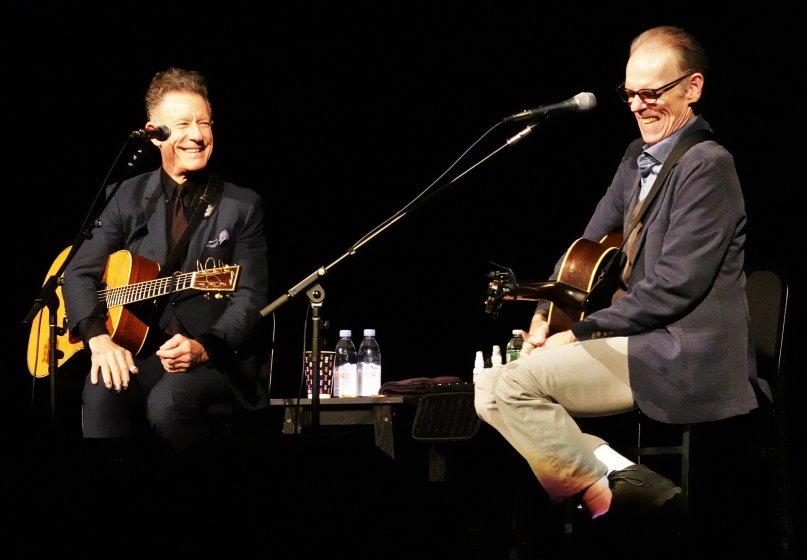
Here’s just two people, but with mics, you could enjoy the sound and location of their guitars and voices
Count Basie Theater, Red Bank, NJ, used to be absolutely horrible. They overhauled the theater and sound system in 2008, darn good except near the side walls.

I took a group to see BB King and Buddy Guy there in 2009, I never would have gone before the renovation. 

I hated the sound at NJ Garden State Art Center (since renamed), just awful. After a few shows, I refused to go there. My friend  says he has tickets for BB King, where? there, NFW. No, really, I found a spot where the sound is great.OK, well the seats were right next to the sound board, and it was excellent, AND, BB, instead of being a Parody of himself, sat down with a blues quartet, and played entire songs, told stories, I’ll never forget that.

I could go on and on, just to say, Acoustic, it varies by the hall's acoustics and seat location; the amplified sound stage we listen to in person, or at home has to be miked properly for the listeners in the room, and for the recording, by people who know what they are doing, then everything down the line .... like anything else, poor, ok, very nice, excellent.

We want our systems to be capable when excellent shows up.

Don't even get me started about audience behavior.

One of the most interesting topics on this forum.  I seem to agree with everyone's thoughtful comments.  They have really added perspective to my listening and this hobby.  

My collections, analog, digital and streaming include a few monophonic recordings which seem surprisingly pleasant, even compared to their stereo counterparts.  That is now better appreciated.  

Part of the excitement of this hobby for me is the thrill as music begins to play on the system.  Its realism is always a wonderful surprise.  And then those little moments when something happens from the speakers which startles your attention even though you've heard it many times.

Very satisfying.  Playing the music which suits the mood distracts from the day to day so much you want to listen for hours. And probably often do.
