Soeaker cables technologic dilema…


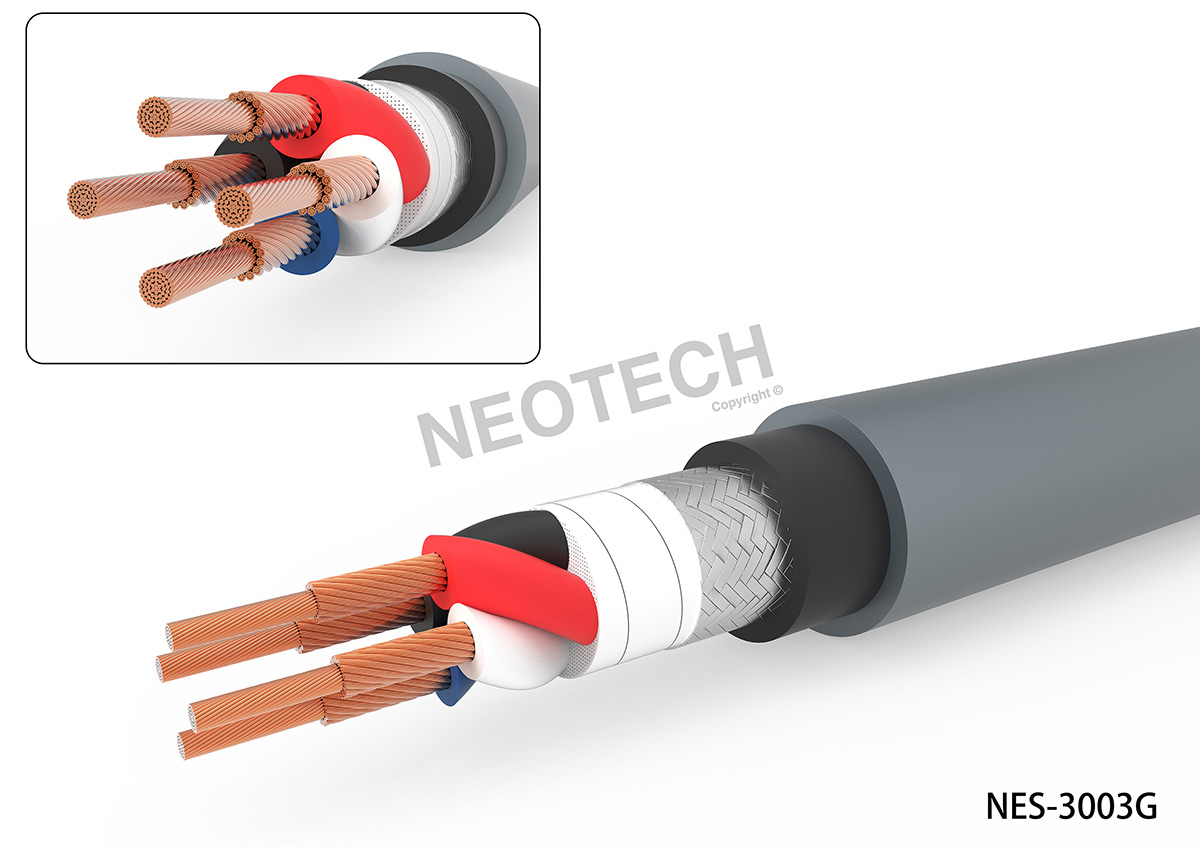
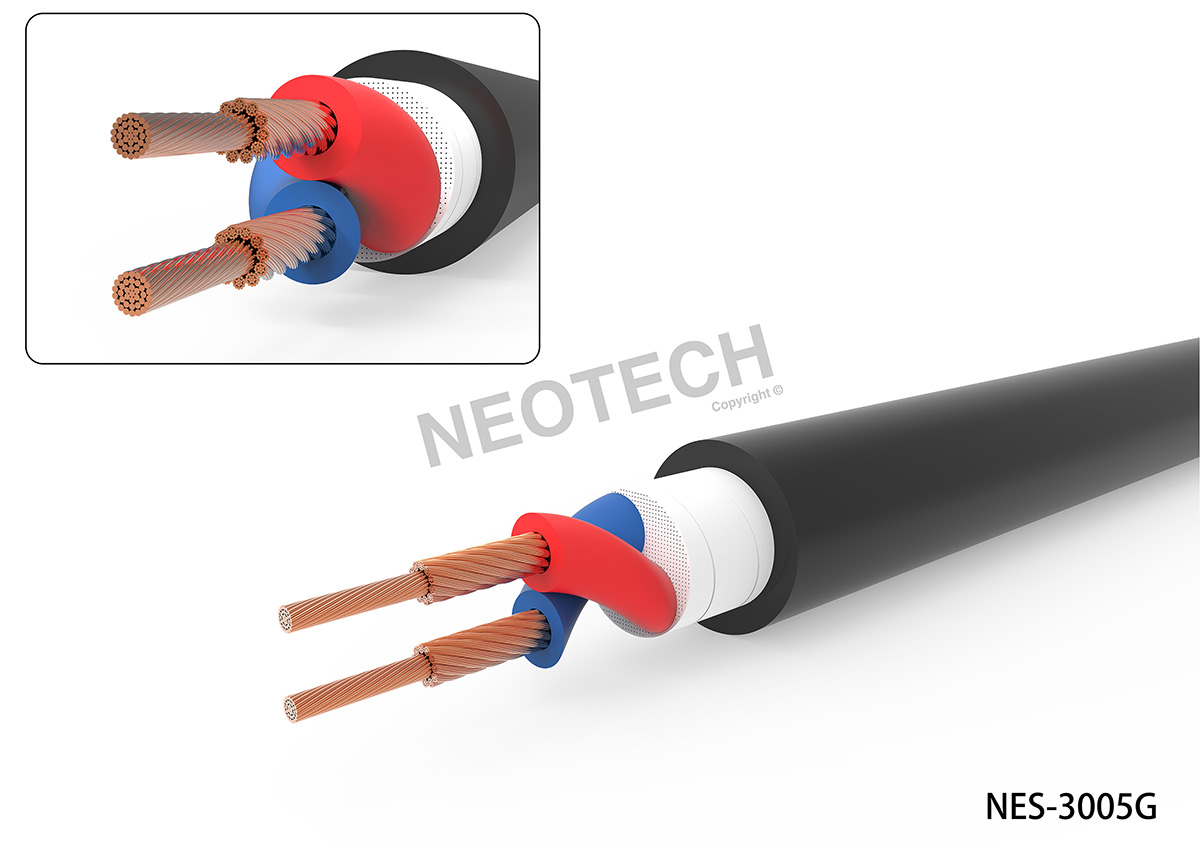
We have two technological solutions when it comes to speaker cable: 
 
1. Four wires (2 on + and 2 on -), twisted in a star quad, in a screened braid and in one collective insulation.

2. Second solution: two SEPARATE double-wire cables, one for + and one for -, but without shield. 


The number of cores, core cross-section, material, weave, both in NES-3003-G and NES-3005-G everything is the same. 
 
In the first solution we have a screen, and in the second solution we have a separation of plus and minus. 
 
How will it be better? What to expect?
milimetr

Can be grounded, can be left unconnected. 

To what would you ground a speaker cable? What would be the purpose of an unterminated  shielded cable?

many top-level speaker cables uses some kind of shielding. 

Oh? Examples, please.

Sorry but I started this thread not to educate about shielding. 
But to give you a clue shielded cables makes for example Synergistic Research, 
If you have something interesting to say in main topic, please do so. 


milimetr

Sorry but I started this thread not to educate about shielding. 

You mentioned shielded speaker cables, so it seems reasonable to ask: To what is the shield connected? What would be the advantage of an unconnected shield?

... to give you a clue shielded cables makes for example Synergistic Research ...

Hmmm, I see that its Galileo Discovery cable states:

Shielding: Silver Braid -Quantum Tunneled Ground Plane Technology

It isn't clear just what that is or where the shield would be attached, so I can't answer your question of  "what to expect" from its use. Perhaps others here will be able to assist you.

Well first you said.

"We have two technological solutions when it comes to speaker cable"

Then @cleeds said.

"A shielded speaker cable? I've never seen such a thing in a home installation. To what would the shield be grounded?"

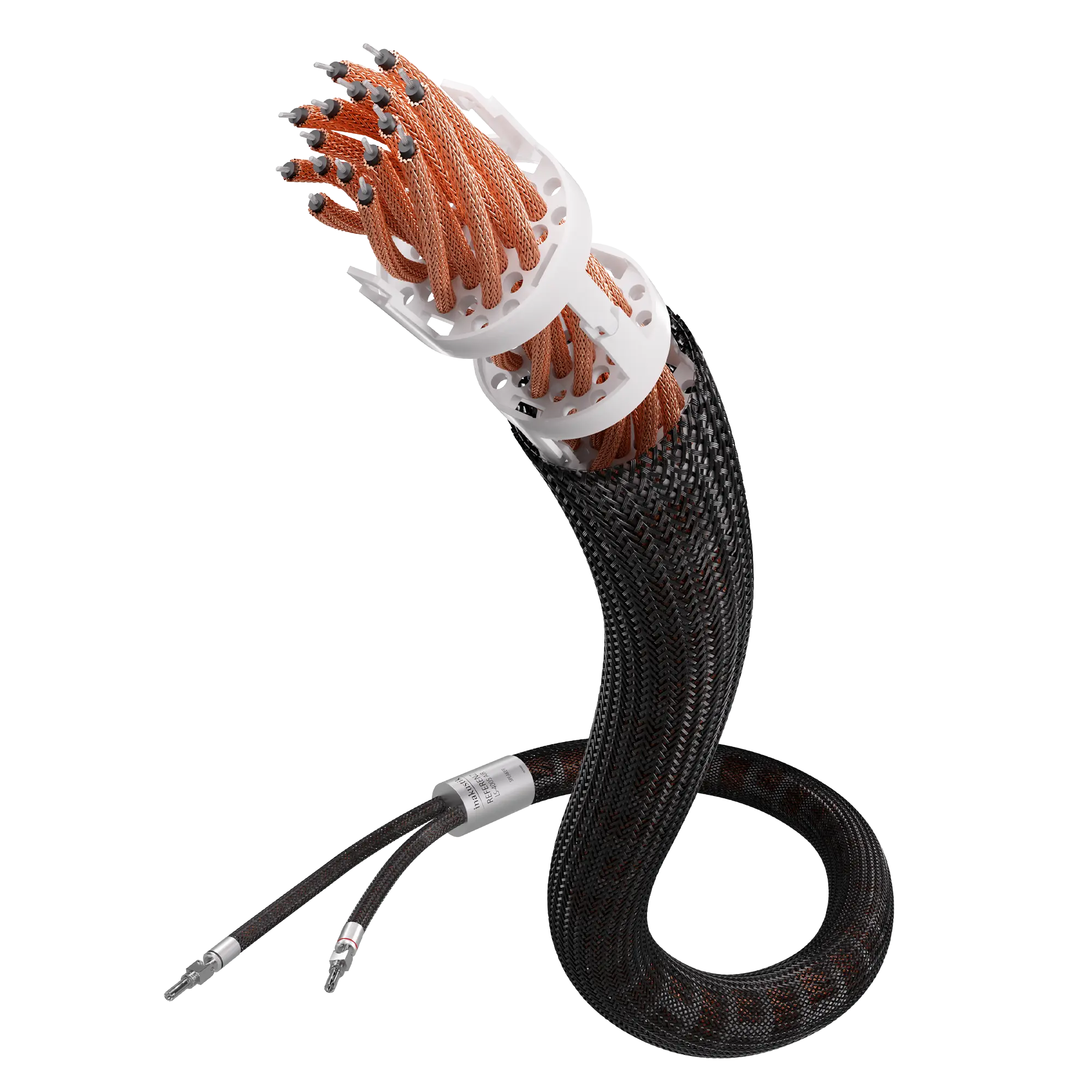
Seems reasonable to me.  So, I'll add that any kind of shielding increases capacitance and reduces inductance. Then there are these by In- Akustik where they engineer their cable to use air as the electrolytic and avoid the capacitance that's created when insulated conductors are twisted together or braided as in some speaker wire configurations. You could argue that lower inductance is a good thing and capacitance doesn't matter anyway. 

Does two separate runs of wires reduces capacitance compared to shielded star quad twist?