@kennyc wrote:
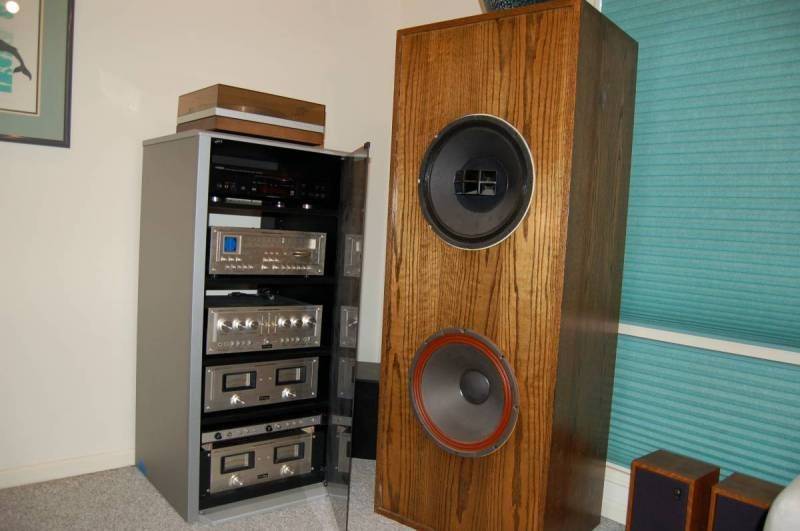
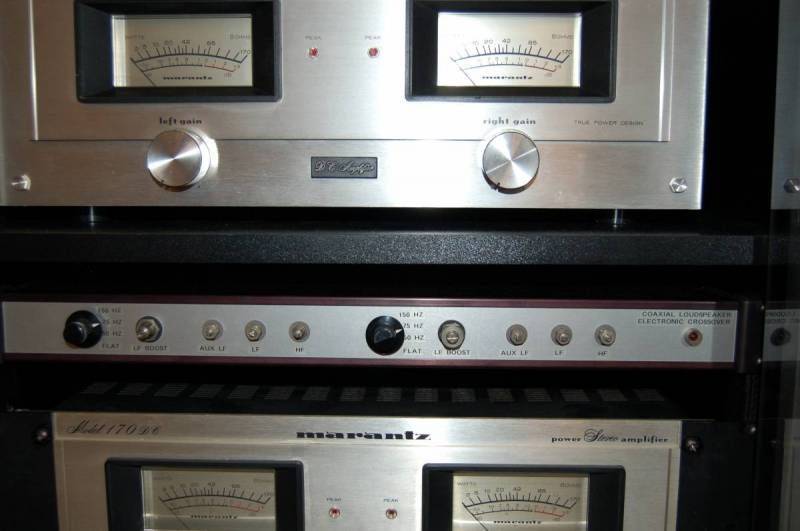
Vintage cannot compare to say top Audionet Stern/HEISENBERG which was built price and time no object resulting in extremely low black noise floor and excellent Sonics.
I am unsure what the differentiator(s) would be, in this case. Designer talent? Probably not: back in the 70s, for an EE to work in hifi was a glamorous and sought after career, whereas today audio is a dumping ground for guys who can’t get jobs in robotics. Component quality? There have always been components of the highest quality available, and audio isn’t a very demanding application from the standpoint of electronics.
One factor that decidedly changed is target market demographics, and with that the Overton window of pricing expanded dramatically. The amps you cite retail for over $100,000, and that kind of price point gives manufacturers a lot of leeway to create lavish, gorgeous pieces of audio jewelry; inside and out.
But how that should translate into better sound quality escapes me, so I’m definitely interested to hear your theory.
Also there GanFet amps. There still is progress in high-end audio.
There is new stuff, sure; but does it necessarily sound better? You mention GaNFETs. If you look up GaN’s main benefits over silicon, you will find efficiency and higher switching speeds at the top of the list; neither of which is particularly important to audio, except conceivably Class D.
There are those who believe Class D is the bees’ knees. I can’t say I’m one of them.
Before silicon there was germanium. Then came silicon, cheaper and easier to make so it took over. Today some people are hyping GaN, but funnily enough germanium may be in our future again. Here is an interesting article on semiconductor materials:
https://spectrum.ieee.org/germanium-can-take-transistors-where-silicon-cant
I stand on my position that new gear has no inherent sound quality benefits over vintage, given the usual caveats of course.