I'm "The audiophile with priority on sound quality" type. I'll amplify the importance of Neil Antinn's free book. I think anyone who plays vinyl, especially used records should read this from front to back to really understand how each manner of cleansing works and what it can and can't do. This is a very complete thesis on cleaning and can look overwhelming at first. Focus initally on what method of cleaning you prefer, and then branch out. I promise you will come away with a lot. Over the years while fine tuning my methodology, Ive come back to this repeatedly.
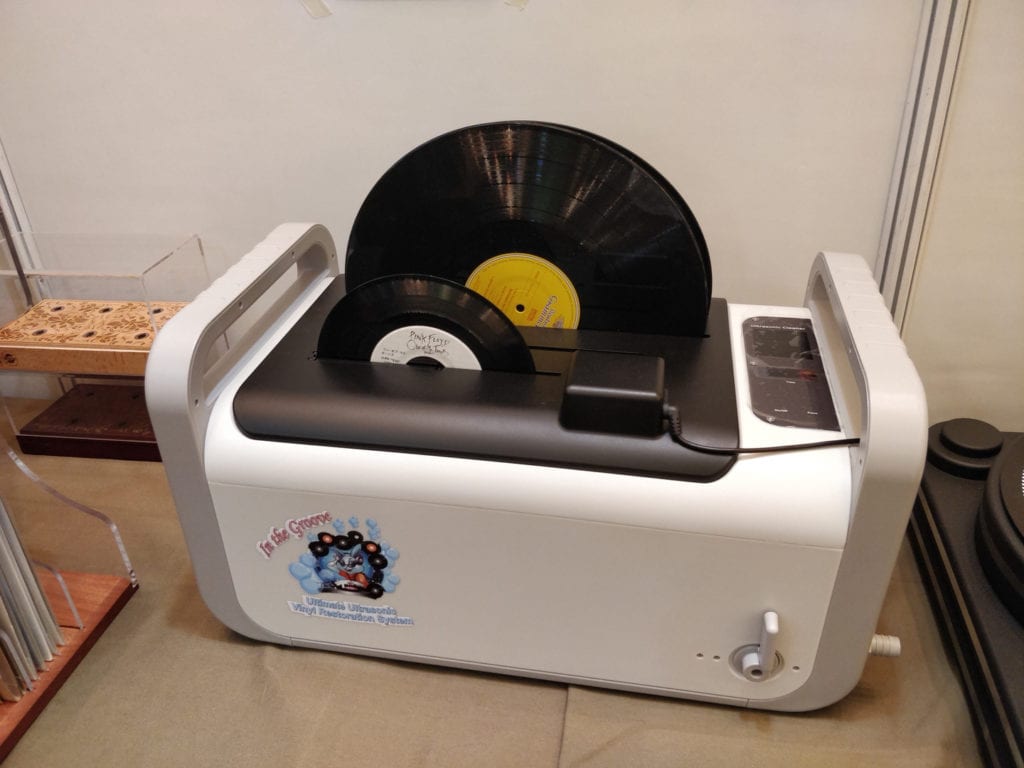
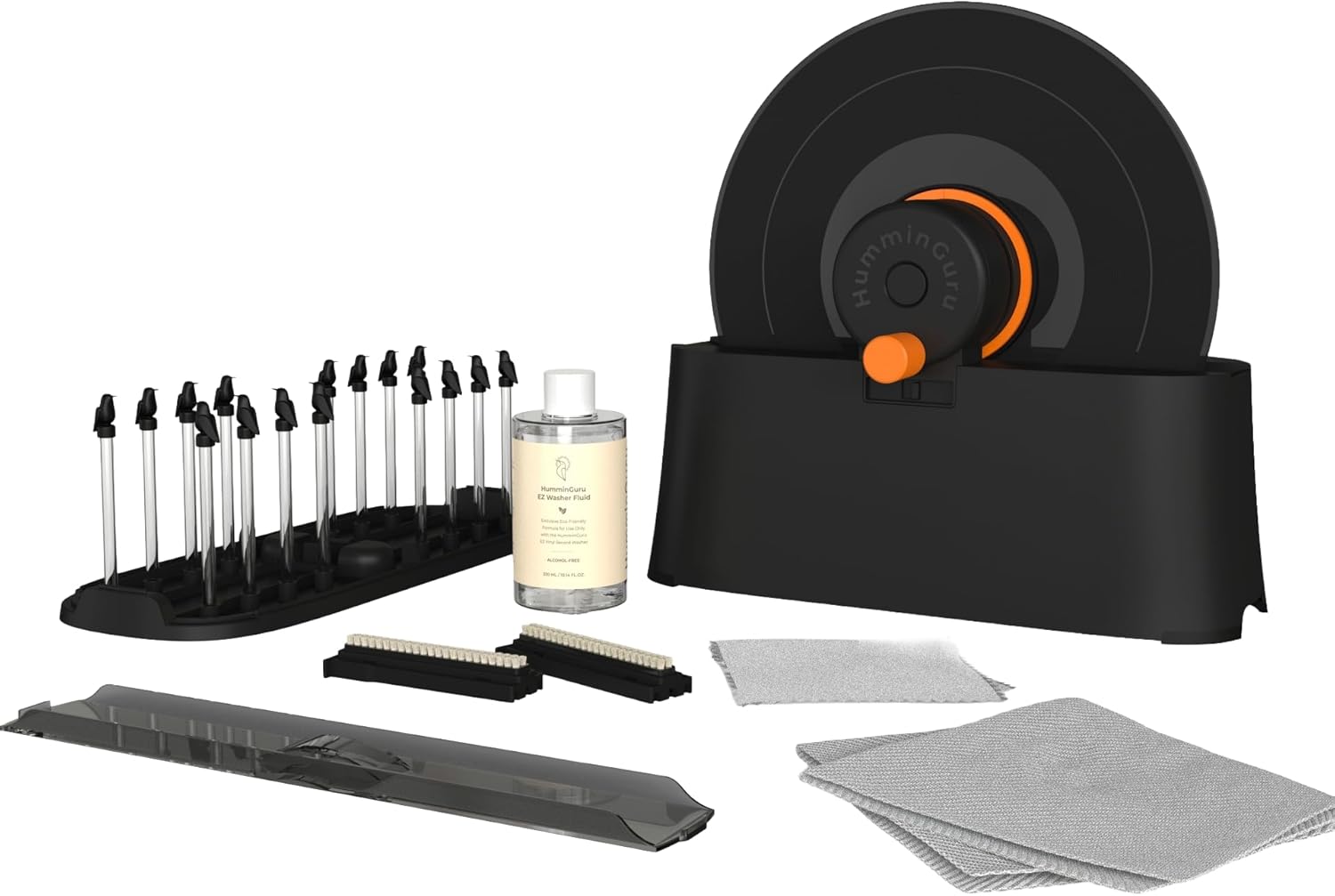
In the 70's I used the Discwasher religiously, but when CD's came out and I moved houses, I largely switched from vinyl to the little silver discs. I stubbornly carted my albums over several moves, much to my wife's consternation. I found that a lot of the music I loved was only on vinyl and I got a new Nottingham TT and started spinning the vinyl again. I was stunned at how good my old vinyl sounded-thanks discwasher. I learned that my college environment wasn't healthy for vinyl and bought a DIY ultrasonic cleaner which had no drying capability, so it just air dried. Sounded better, but then I figured my LP was still likely a mess with dirty bath water still adhering to the surface, so I bought a VPI 16.5 for distilled water rinsing. Better, but then began to question if I was just blasting my vinyl surface using a dirty bath with the detritus of the previously cleaned records-kind of like bathing in a tub used by a bunch of dirty people. Mixing up the chemistry for the bath was a little tiresome, so I started using the VPI for a quick pre clean using AIVS #15. I still do this by the way for every album that I clean, new or old. The only problem was that after using the VPI to dry the record, there was enough static generated that I would see dust Kamikaze's land on the LP before I could sleeve it. I did use a Zerostat, but it really didn't solve the problem. Then the US died. I got a Clearaudio double matrix pro sonic which includes a static brush. Unlike @mulveling I didn't have any mechanical issues, but soon realized sonic didn't mean ultrasonic. None the less, my LP's sounded better as I had re-cleaned all my previously cleaned discs.By this time I was convinced that cleaner discs couldn't exist. My dealer was coming by to install some new cables and was telling me about this new device called a DeGritter. I told him to bring it by, but was quite smug I was good. We played a song on a well known record after the install and then immediately cleaned it in the Degritter and replayed it. Not even close. Within seconds we could hear more of the music. It seemed more textured and defined. I didn't then and still don't a see a signfiant improvement in pops and clicks in previously cleaned LP's. But the QUALITY of the sound was improved-more than a little. So I think that shows the difference between 40KHz of most ultrasonic cleaners and 120KHz of the DeGritter. By this time I had read Neil's bible several times and formulated my current regimen. Fresh out of the sleeve the LP goes on the VPI as mentioned. If I see a bunch of surface gunk, I do a fresh water rinse out of the tap with label protectors-takes less than 30 seconds then on the vpi. Then new discs into the DeGritter where I have 30cc's of Ethanol combined with distilled water in the tank at the medium setting. If I'm cleaning used records, usually off discogs, I did purchase and Isonic 40KHz and I will run it for 15 minutes in a bath of 200 cc IPA, 1 cc of 15-s-9 Tergitol in 6240ccs of distilled water. So in summary, I believe that no one form of treatment gets the job completely done. I believe in mechanical brush cleansing, 40 Khz (large bubble US) followed by 120 KHZ (small bubble US) with air drying in the DeGritter. I immediately sleeve the record. With this regimen, for a new LP I'm involved with cleaning for about a minute total.